PFA at COP31: Investment in the green transition needs to speed up
More investment in renewable energy is needed. It can help curb climate change while strengthening Europe’s energy security and competitiveness. This is the starting point for PFA’s participation at COP31. Ahead of the summit, PFA has, among other things, signed a joint declaration calling for the phase-out of fossil fuel subsidies, making it more attractive to invest in green solutions rather than fossil fuels.
The world is moving further and further away from the goals of the Paris Agreement. According to the UN Environment Programme (UNEP), we are on course to exceed the goal of limiting global warming to 1.5 degrees, and under the current trajectory, temperatures could rise by around 2.8 degrees. At the same time, global consumption of fossil fuels remains at record levels.
This calls for action and, in particular, more investment in solutions that can move us away from fossil fuels. Pension companies such as PFA can play a role here because they invest for the long term and can help finance renewable energy, infrastructure and green technology, among other things.
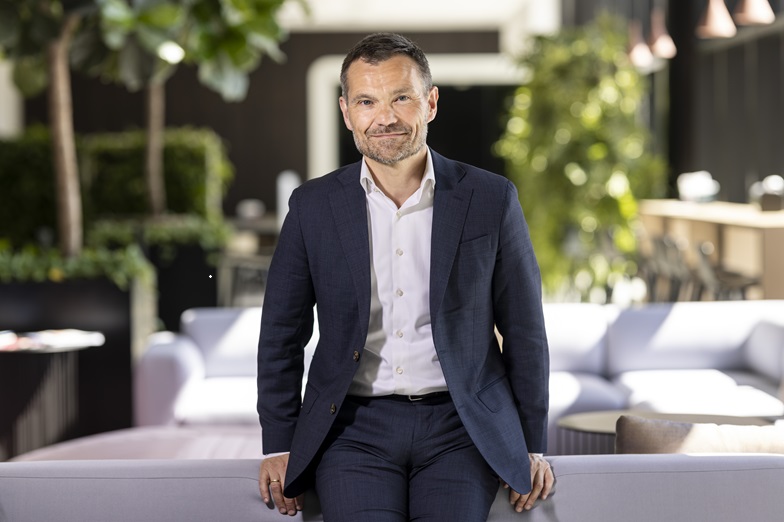
“Our primary purpose is to generate good long-term returns and financial security for our customers. But we also want to put our knowledge and capital to work to strengthen the green transition, and we see good opportunities to combine investment in the green transition with attractive returns, particularly if the framework conditions improve,” says Rasmus Bessing, Director of Responsible Investments at PFA.
Better conditions for green investment
Ahead of COP31, PFA and 22 other Danish companies have signed a joint declaration calling on governments around the world to phase out fossil fuel subsidies. According to the declaration, 0.6 per cent of global gross domestic product is currently spent on direct subsidies for fossil energy. Phasing out these subsidies can help make it more attractive to invest in green solutions rather than fossil fuels.
“It is about creating a market in which the technologies needed to address the climate challenge can succeed. Our starting point is simple: it should be more profitable to help solve the world’s climate challenges than to make them worse. That is why it makes good sense to phase out subsidies for fossil energy and create better conditions for green alternatives,” says Rasmus Bessing.
The declaration is also part of broader efforts. Together with other investors, PFA has worked to maintain EU regulations on methane and deforestation and to support a robust European emissions trading system. These efforts all reflect a desire for clear and stable framework conditions that make it easier for private investors to contribute to the transition.
Pension billions can help drive progress
PFA currently has around DKK 100 billion invested in green activities such as solar and wind energy, forestry, environmental technology, energy-efficient buildings and green bonds. The Danish pension sector as a whole has invested around DKK 478 billion in green activities. This shows that we have built a pension system that offers good opportunities to channel private capital in the form of pension savings into long-term investment. We are keen to share this experience, and the potential extends beyond the climate. More renewable energy can make Europe less dependent on energy from outside the region, thereby strengthening both security of supply and competitiveness.
“Of course, we need to phase out fossil energy sources while keeping security of supply in mind. More renewable energy is good for the climate, Europe’s energy security and our competitiveness, and we are very keen to contribute through investment when we can also see reasonable return potential for our customers,” says Rasmus Bessing.
PFA at COP31
Rasmus Bessing will take part in, among other things:
12 November: Caring for Climate, where businesses, the financial sector, governments and the UN will discuss how climate targets can be turned into practical action.
12 November: PFA’s roundtable on private investment as a driver of climate action, competitiveness and security of supply.
13 November: Roundtable on what it will take to attract more private capital to climate investment in developing countries.
13 November: Asset Owners Roundtable on climate risks and opportunities to attract more private capital to areas including electrification and industrial transition.
13 November: Panel discussion on the role of finance ministries in creating framework conditions that can turn climate targets into concrete investment.