PFA, Danish Chamber of Commerce and HK join forces for seniors
The number of seniors in employment is rising significantly, and the trend appears to accelerate. Over the past ten years, the number of people aged 60 and above who are in employment has increased from 261,000 to 423,000, and today they account for 14 per cent of the workforce compared with 10 per cent in 2017. If this trend continues, half a million people in Denmark aged 60 and above could be in employment within just a few years.
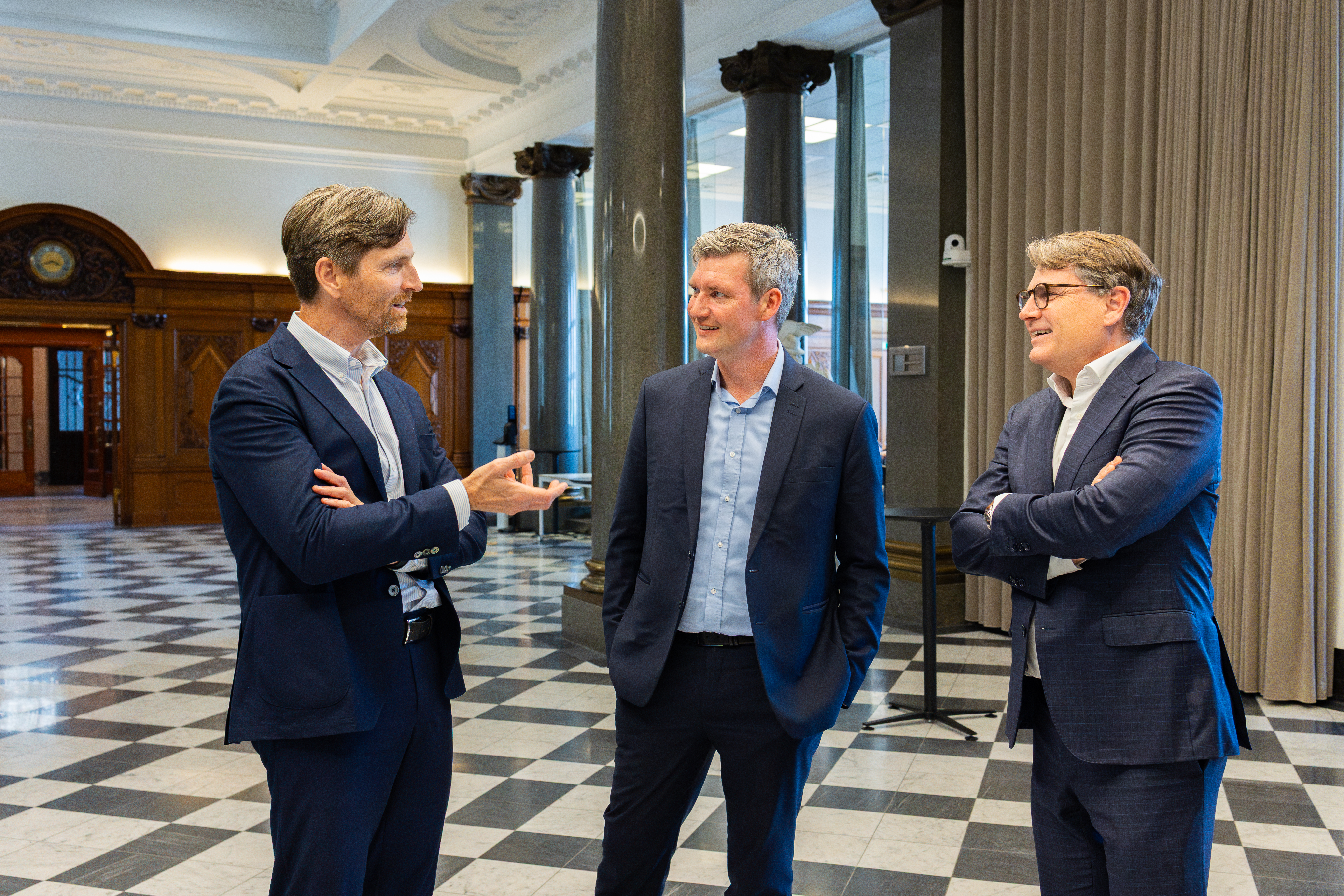
The Danish Chamber of Commerce and HK have now joined forces with PFA to accelerate this development through the so-called Seniorløfte (the Senior Pledge), which aims to make it easier and more attractive to remain in the labour market for longer.
The partnership brings together key stakeholders representing both employers and employees and focuses on implementing more practical solutions in workplaces, including flexible working hours, part-time opportunities and a more gradual transition into retirement.
“The seniors are not just an important part of the labour market; they are essential to ensuring that our economy and welfare system remain sustainable in the years ahead. But we will only succeed if we work together. When both employers and employees actively engage in this effort, we increase the likelihood of turning good intentions into solutions that work in practice,” says Ole Krogh, CEO of PFA.
Positive signals in the government’s platform
There is also political focus on making it more attractive for seniors to remain in the labour market. The Danish government has proposed more flexible pension rules, including the possibility of pausing payouts from an instalment pension. However, there are still barriers to address, both in the legislation and in workplaces, if more people are to have the opportunity to shape the final part of their working lives more flexibly.
Ole Krogh also points out that the potential is far from being fully realised:
“We are heading in the right direction, but there are still many seniors who leave the labour market earlier than they would like because the framework does not suit their needs. This is not about everyone having to work for longer; it is about making it possible for those who can and want to do so through more flexible solutions in everyday working life,” says Ole Krogh.
Seniors are vital to future welfare
“Seniors workers remaining in the labour market has been one of the great success stories in recent years. However, we are facing demographic headwinds that make it necessary to strengthen seniors’ participation in the labour market even further, as their contribution is absolutely crucial to Denmark’s prosperity and welfare in the future. The Danish Chamber of Commerce is therefore delighted to join the Senior Pledge. We need every pair of hands that we can bring into employment. We look forward to helping even more seniors continue their working lives for the benefit of everyone, because this is a shared responsibility,” says Brian Mikkelsen, CEO of the Danish Chamber of Commerce.
“We need the experience, expertise and commitment that seniors bring. HK has joined the Senior Pledge because we want to help create working lives in which more people both want and are able to remain in employment for longer. This means reducing stress, increasing flexibility and creating better opportunities to tailor jobs to individual needs. When more people are both able and willing to continue working for longer, it benefits employees, workplaces and society as a whole, says Mads Samsing, President of HK.
More than 100,000 people in Denmark are already working beyond the state retirement age, and seniors are playing an increasingly important role in ensuring businesses have access to the workforce they need and in supporting Danish economy.
With the Danish Chamber of Commerce and HK on board, efforts to support senior employees are now being embedded even more firmly at the heart of the Danish labour market. It reflects a shared recognition that the initiative is important not only for individual seniors, but also for businesses and the economy as a whole.